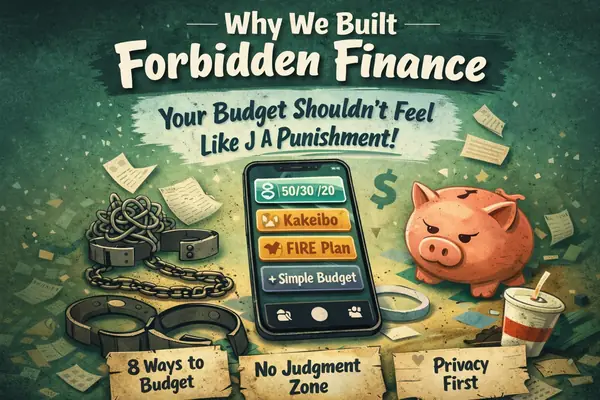
 Forbidden Finance
Why We Built Forbidden Finance: A Personal Finance App That Doesn’t Shame You
Most budgeting apps make money feel like detention. We built Forbidden Finance to make personal finance more flexible, more private, and a lot less miserable.

Tag
Posts tagged “Budgeting”.
Most budgeting apps make money feel like detention. We built Forbidden Finance to make personal finance more flexible, more private, and a lot less miserable.
Everything else, freshest first.

October money checklist: prep open enrollment, check FSA balances, top up holiday cash, book the CPA, plan giving, and set holiday budgets early.

Track spending multiple accounts without portal roulette, double-counted transfers, or pending-charge chaos, so one screen tells the truth again.

Calculate annual spending across every account, normalize one-offs, and find the real number your budget has been dodging before it eats your savings.

Recurring transactions help you forecast real free cash, catch subscription price creep, and turn your budget into a 60-day early-warning system.
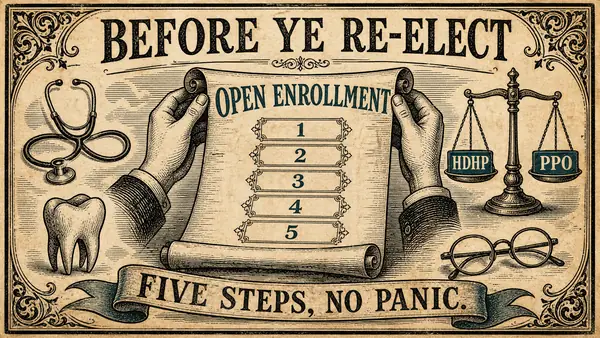
Open enrollment prep gets easier with a five-step worksheet to compare health plans, FSA/HSA choices, and voluntary benefits before renewal.
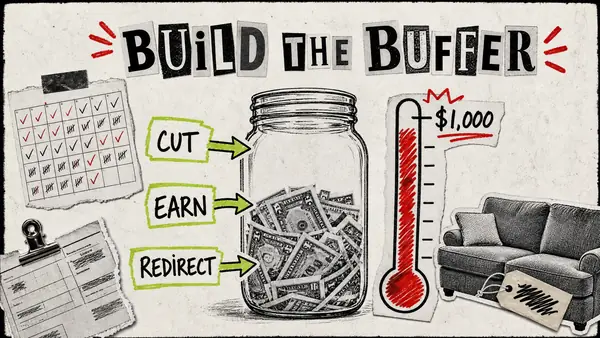
Build a $1,000 emergency fund in 90 days with 15 realistic cut, earn, and redirect moves, weekly math for tight budgets, and a gentler $500 fallback.

Back-to-school budget recovery for parents: reconcile the August overshoot, choose the right sinking funds, and restart next year's plan calmly.
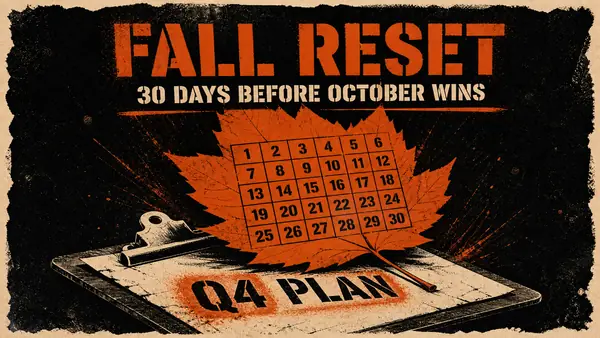
A fall financial reset plan: clean up accounts, refill savings, pre-game taxes, and lock holiday spending before Q4 turns January into catch-up.
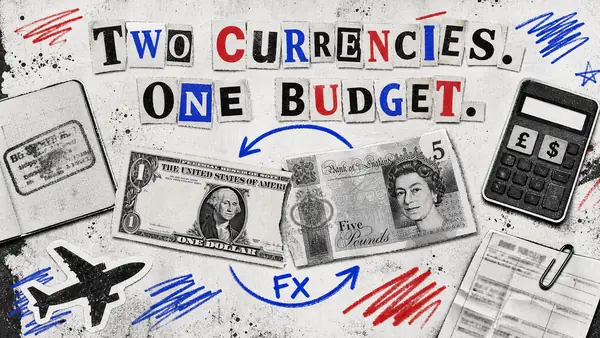
Dual-currency living tips for expats and cross-border workers: cut transfer friction, plan FX moves, track taxes, and budget cleanly across currencies.

Frugality habits that actually save money, from bill negotiation to housing math, plus the performative cuts that waste time and miss the real leaks.

Stop impulse buying with three pause frameworks: the 24-hour rule, the 30-day list, and the $100 test. When each works, and how people sabotage them.
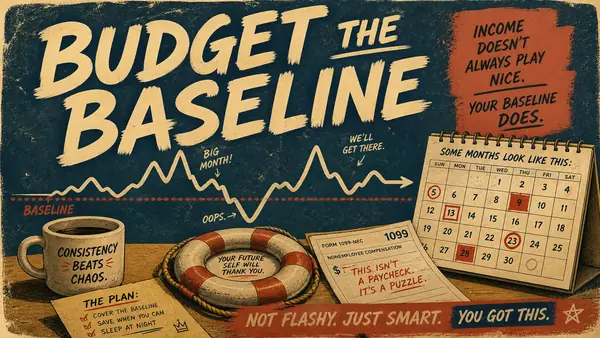
Budget irregular income with a lowest-month baseline, percentage-based deposit splits, tax buckets, and priority tiers that hold up when the slow months land.

College move in costs pile up before classes start. Plan dorm setup, books, food gaps, insurance, banking, and a first-semester cash buffer.
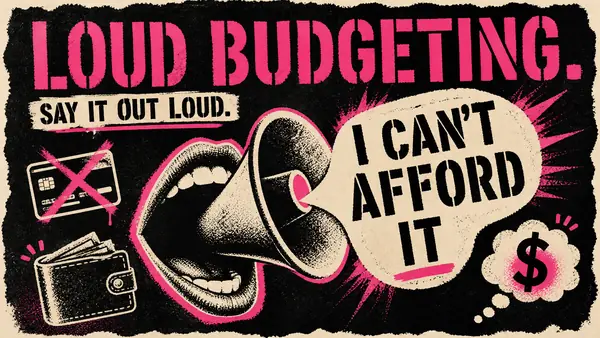
Loud budgeting turns social pressure into honest boundaries, with scripts for saying no and keeping your money aligned with real priorities without shame.
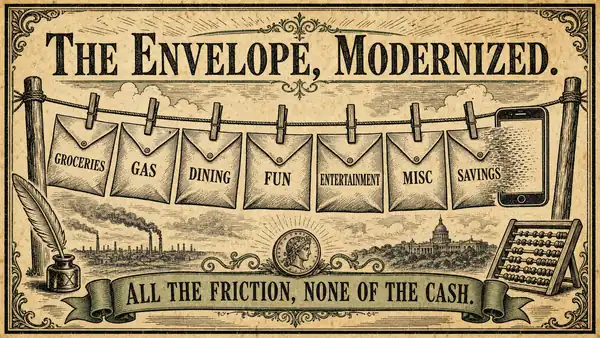
Digital envelope budget basics for cash-stuffing fans: use sub-accounts, category caps, and rolling balances to spend with cleaner modern limits.
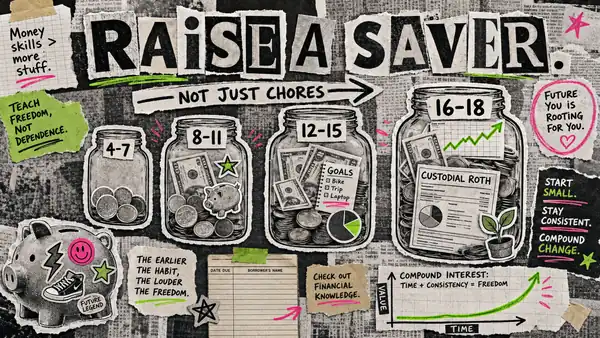
Teaching kids about money works best by age band: jars, choices, debit cards, investing basics, Roth IRAs, and credit without the chore war.

Your back-to-school budget in three weeks: what it really costs, how to split must-buys from extras, tax-free weekends by state, and a 2027 sinking fund.

Post vacation budget reset for summer travel: a warm 3-day plan to log trip charges, fix categories, restart sinking funds, and move on without panic.

Money talks do not need a gavel, a spreadsheet tantrum, or a December blowup. Try this 30-minute weekly ritual instead.
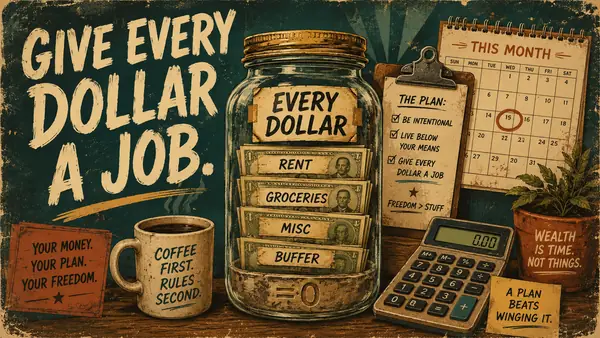
Zero-based budgeting does not need to feel like a weekly interrogation. Give every dollar a job, including the forbidden job of sitting there as a buffer.

One July 4 weekend does not get to declare bankruptcy on your whole budget. Open the statement, sort the damage, and keep July moving.

Summer gig cash has a talent for vanishing. Give it its own account, tax bucket, and categories before it joins the general checking-account swamp.

Lifestyle creep does not kick down the door. It slips in wearing premium coffee, a bigger lease, and one more kid activity with a monthly fee.

The reverse budget is for people who hate category tracking but still want their savings handled. Pay yourself first, then spend the rest without a latte tribunal.
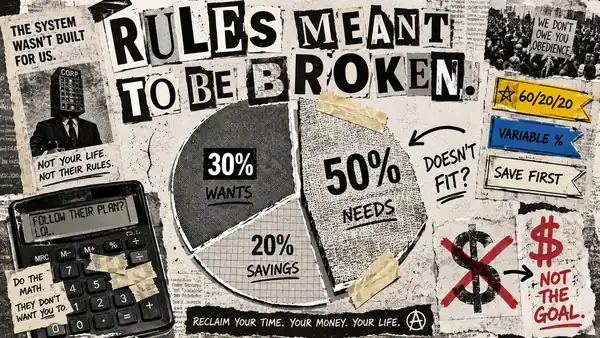
The 50/30/20 rule is useful until your rent, income, or savings goals refuse to behave. That is not failure. That is your cue to graduate.
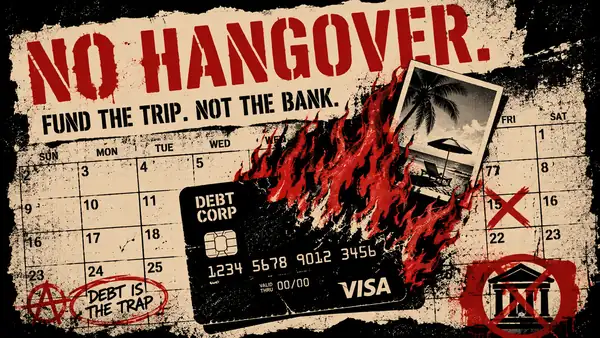
Your vacation doesn't need a payment plan with palm trees printed on it. Price the trip, fund it in 90 days, then spend the money you already gave permission to leave.

Your March budget did not collapse because you are bad with money. It collapsed because the plan was too clean for real life.

Say yes to the cookout, the beach, and the road trip. Just give the weekend a budget before it starts ordering convenience-store snacks like a tiny dictator.
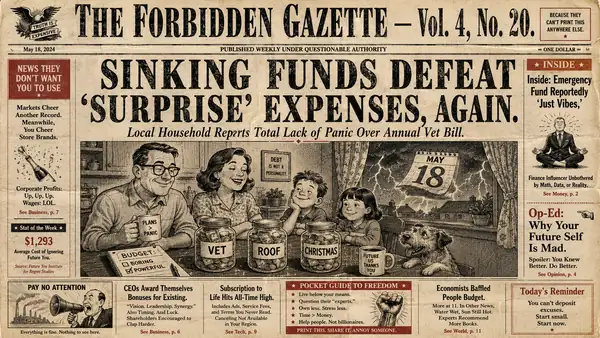
Sinking funds make 'surprise' expenses disappear. Here's what they are, how they differ from emergency funds, 25 categories worth naming, and a copy-this starter list.

Your real net worth is assets minus liabilities, but most people forget half the balance sheet. Here's what to count, what to ignore, and what the number actually means.
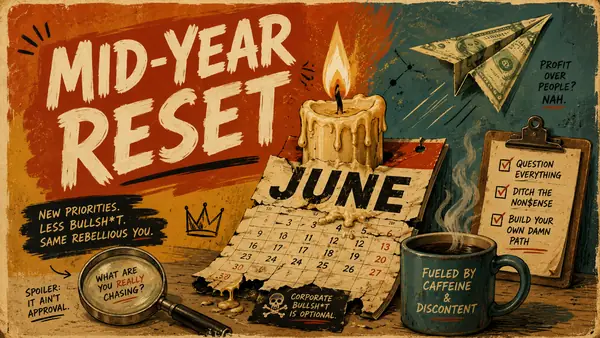
January goals are cute. May is where the receipts start talking. Run this 10-step mid-year money reset before June so your 2026 plan actually fits your life.

Flowers are nice. But if the door is open, helping Mom simplify her money life might be the gift that actually lasts.

Budgeting with a partner does not have to feel like a courtroom drama with receipts. Here is how couples can talk about money, split shared expenses, and protect privacy without starting a financial cold war.
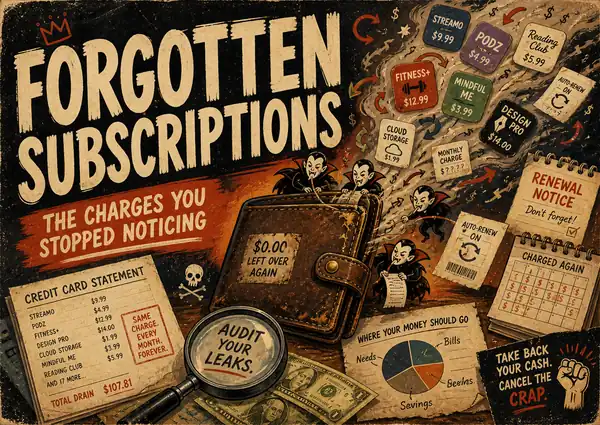
Forgotten subscriptions are the budget vampires of modern life. Here’s how recurring transaction detection helps find auto-renewing charges before they quietly bleed your card dry.
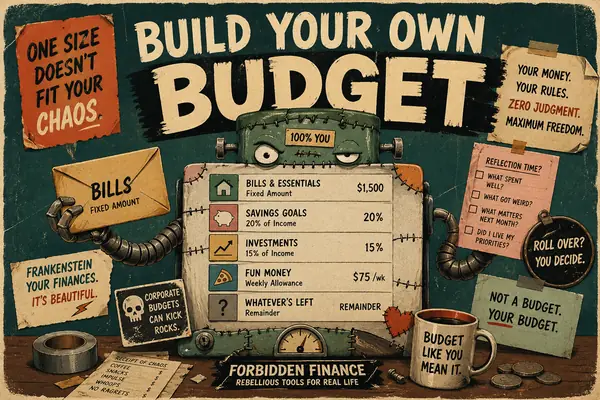
Custom budgeting is for people who do not fit neatly into one method. Build your own budget with flexible groups, allocation types, rollover rules, and optional reflections.

Values-based budgeting helps you spend money on what actually matters instead of letting guilt and random habits run the show. Forbidden Finance adds an Alignment Score so you can see whether your spending matches your stated values.
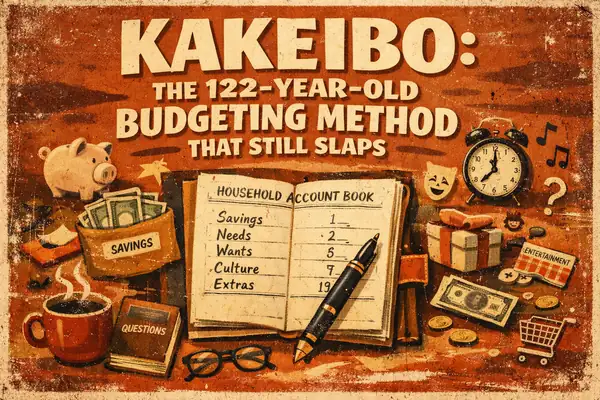
Kakeibo is the Japanese budgeting method that pairs simple money tracking with real reflection. Here’s how it works and how Forbidden Finance brings it into the modern world.
Envelope budgeting is the old-school money method that still works: set category limits, stop when they’re empty, and let your budget stop lying to you. Here’s how to do it without carrying a stack of cash.
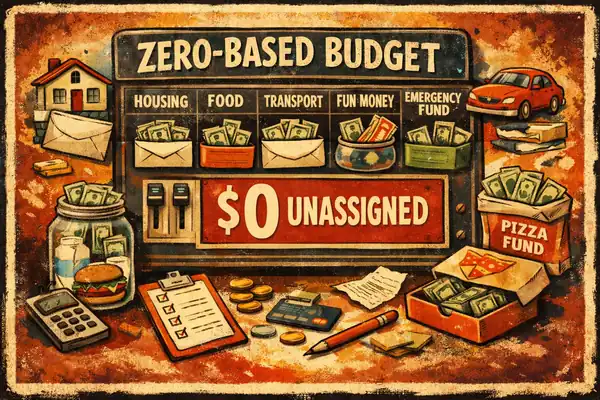
Zero-based budgeting gives every dollar a job before it disappears into bills, groceries, and “just one little treat.” Here’s how it works and how to set it up in Forbidden Finance.

Pay Yourself First flips budgeting on its head: save first, spend the rest, and stop tracking every latte like it’s a tax audit. Here’s why the Anti-Budget works and where it doesn’t.

The 50/30/20 rule is the simplest budget that still starts fights online. Here’s how it works, why it breaks, and how to make it fit your life.
Not all budgeting methods are created equal, and some are objectively more annoying than others. Here’s how 8 popular budgeting systems actually work — and which one might fit your life.
Start free. No credit card, no ads, and no selling your data to make up the difference.