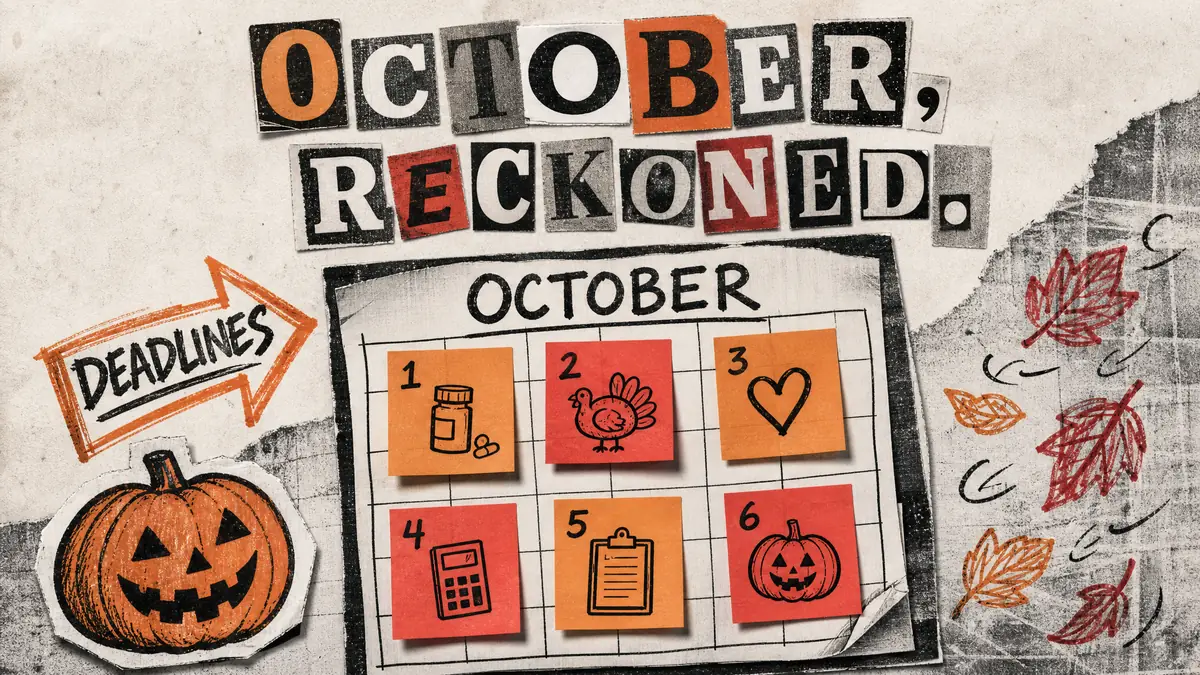
October is where the year stops being theoretical.
Benefits packets start landing. FSA balances look at you from the corner of the app. Holiday spending wakes up from its little crypt. Your CPA still has appointment slots, which is adorable and temporary.
This is not a full financial makeover. Please do not turn October into a spreadsheet wellness retreat. It is a short, calendar-driven pass through the stuff that becomes annoying if you wait until everyone is eating pie and pretending email is optional.
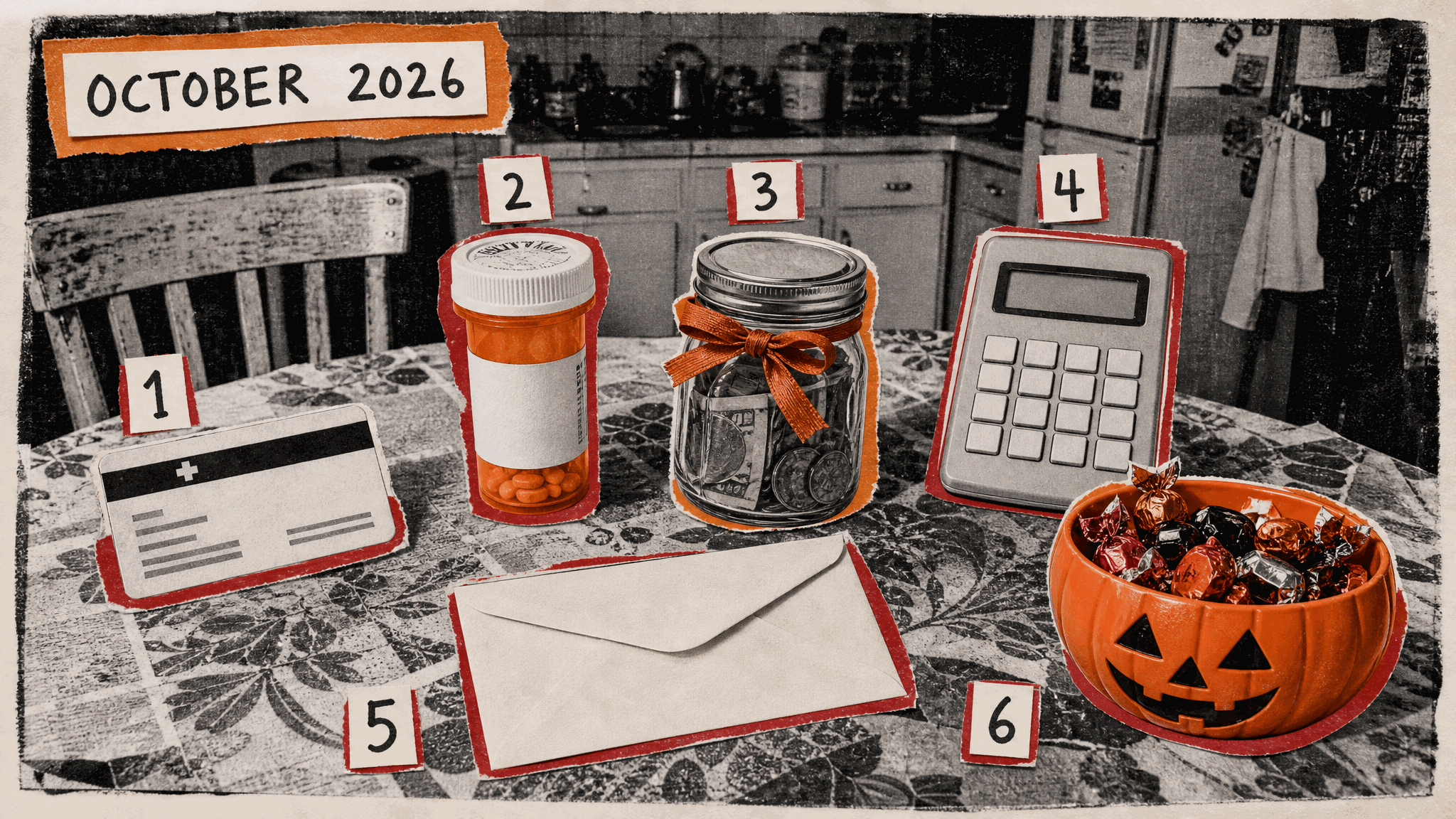
1. Prep for Open Enrollment
-
What to do: Pull last year’s elections, current premiums, plan names, prescriptions, doctors, expected procedures, and any spouse or partner coverage options. If you need the full checklist, use Open Enrollment Is Coming: A 5-Step Prep Guide Before You Click ‘Re-Elect’ before the portal starts blinking at you like a dashboard light.
-
Why now: Employer windows vary, but employment law firm Fisher Phillips notes that employers running calendar-year health plans often hold open enrollment in October or November, and the window typically lasts roughly two to four weeks. Marketplace timing matters too: HealthCare.gov says Open Enrollment for 2027 coverage starts November 1, with December 15 as the cutoff for coverage that can start January 1.
-
How long it takes: 20 minutes if your doctors and medications are boring. Forty if your health plan has decided the word network should mean emotional puzzle box.
2. Check the FSA Balance Before It Starts Acting Haunted
-
What to do: Log into your FSA portal and find three things: the remaining balance, the last day to incur eligible expenses, and the run-out deadline for submitting claims. Then scan your real life: glasses, contacts, dental work, prescriptions, sunscreen, first-aid restock, eligible over-the-counter items. Not vibes. Receipts.
-
Why now: FSAs are generally use-it-or-lose-it, but the IRS says a plan can offer either a grace period or a carryover. That part is employer-optional, which is finance-speak for check your own plan before buying seven identical heating pads in a panic. For 2026, the IRS lists the health FSA salary-reduction limit at $3,400 and the maximum carryover at $680 if your cafeteria plan permits carryovers.
-
How long it takes: 10 minutes to check. Longer if the portal password reset sends you into the tiny administrative basement where hope goes to complete forms.
3. Finalize the Holiday Sinking Fund
-
What to do: Add up the holiday money you already have, then compare it with the holiday money you will probably spend. Gifts, travel, meals, tips, school stuff, party clothes, shipping, pet boarding, the emergency December candle that somehow becomes a personality trait. If the target is short, top it up now or trim the plan now.
-
Why now: October still gives you multiple paychecks before the biggest holiday bills hit. That means you can choose the fix while it is still boring: smaller gift list, fewer flights, cash transfers, or a cleaner cap. This is exactly what Sinking Funds Explained: The One Habit That Makes ‘Surprise’ Expenses Disappear is for. The surprise is not the holiday. The surprise is pretending December arrives by ambush.
-
How long it takes: 20 minutes. Thirty if you have to admit shipping costs are real money, which feels rude but remains true.
4. Book the Q4 Tax-Prep Call While Your CPA Still Answers Email
-
What to do: Schedule a short Q4 call with your CPA or tax preparer. Bring year-to-date income, withholding, estimated payments, side-hustle income, stock sales, charitable plans, business expenses, and any life changes. Marriage, divorce, baby, house, job switch, big bonus, large medical expense. Fun little plot twists.
-
Why now: October has actual tax landmines, just not always the one people think. If you extended your 2025 federal return, the IRS says October 15, 2026 is the filing deadline, but an extension was not extra time to pay. For 2026 estimated taxes, IRS Publication 505 lists the Q4 installment as due January 15, 2027. Translation: October is for planning, not panic-paying the wrong thing because a social post yelled at you.
-
How long it takes: 25 minutes to gather docs and send the email. Thirty for the call. In December, the same task may require smoke signals and emotional bargaining.
5. Draft the Year-End Charitable Strategy
-
What to do: Decide what you want to give, where it might go, and what form makes sense: cash, appreciated stock, or a donor-advised fund contribution. If taxes are part of the reason, get the CPA involved before you move assets. Generosity is lovely. Paperwork still has teeth.
-
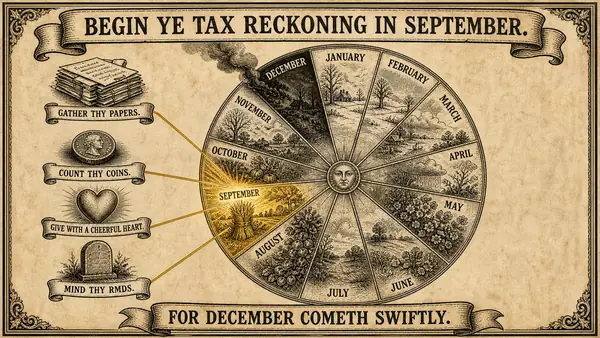
Why now: The IRS says charitable contributions generally must be paid in cash or property before the close of your tax year to be deductible, and appreciated-property deductions can involve adjustments. For donor-advised funds, the IRS describes the fund as a separately identified account run by a 501(c)(3) sponsoring organization, where the sponsor has legal control after contribution and the donor keeps advisory privileges. That is useful. It is also not a magic tax wand. Pair this with Year-End Tax Moves to Start in September (Not December) if your giving and taxes are sharing a calendar.
-
How long it takes: 20 minutes for the draft. More if you are transferring securities, because custodians enjoy making simple ideas wear formal shoes.
6. Set the Halloween and Thanksgiving Budget Before October 31
-
What to do: Pick numbers for Halloween and Thanksgiving before Halloween arrives. Candy, costumes, decorations, class parties, host gifts, groceries, travel, drinks, extra chairs, pie ingredients, and the decorative gourds that look cheap until there are twelve of them in your cart. Put the numbers somewhere visible.
-
Why now: Halloween is the dress rehearsal for holiday drift. Thanksgiving 2026 lands on November 26, which means the grocery and travel planning starts almost immediately after the candy bowl gets raided. If you decide the number before October 31, November has a job. If you wait, November becomes one long tap-to-pay séance.
-
How long it takes: 15 minutes. Ten if you already know who is hosting. Forty if the group chat is using maybe as a legal status.
| October item | Do this | Practical deadline | Time |
|---|---|---|---|
| Open enrollment prep | Gather current elections, premiums, doctors, prescriptions, and expected care | Before your employer window opens; Marketplace starts Nov. 1 | 20-40 min |
| FSA balance check | Check balance, plan rules, eligible expenses, and claim deadlines | Before year-end spending gets loud | 10 min |
| Holiday sinking fund | Compare saved cash to expected holiday spending and top up or trim | By mid-October if possible | 20-30 min |
| Q4 tax-prep call | Book CPA time and gather income, withholding, estimated tax, and life-change notes | Before Oct. 15 if you extended 2025; otherwise before December | 25-55 min |
| Charitable strategy draft | Choose cash, appreciated stock, or DAF path and confirm paperwork | Before asset-transfer delays hit | 20+ min |
| Halloween and Thanksgiving budget | Set caps for candy, costumes, groceries, travel, and hosting | Before Oct. 31 | 15 min |
Six items. Maybe two hours total. October’s job is to make November and December boring.
 Forbidden Finance