Halloween used to be a bag of candy, a bedsheet with eye holes, and one neighbor who took fog machines way too seriously.
Now it has a seasonal aisle, a yard-inflatable economy, and enough orange plastic to make a pumpkin file a labor complaint.
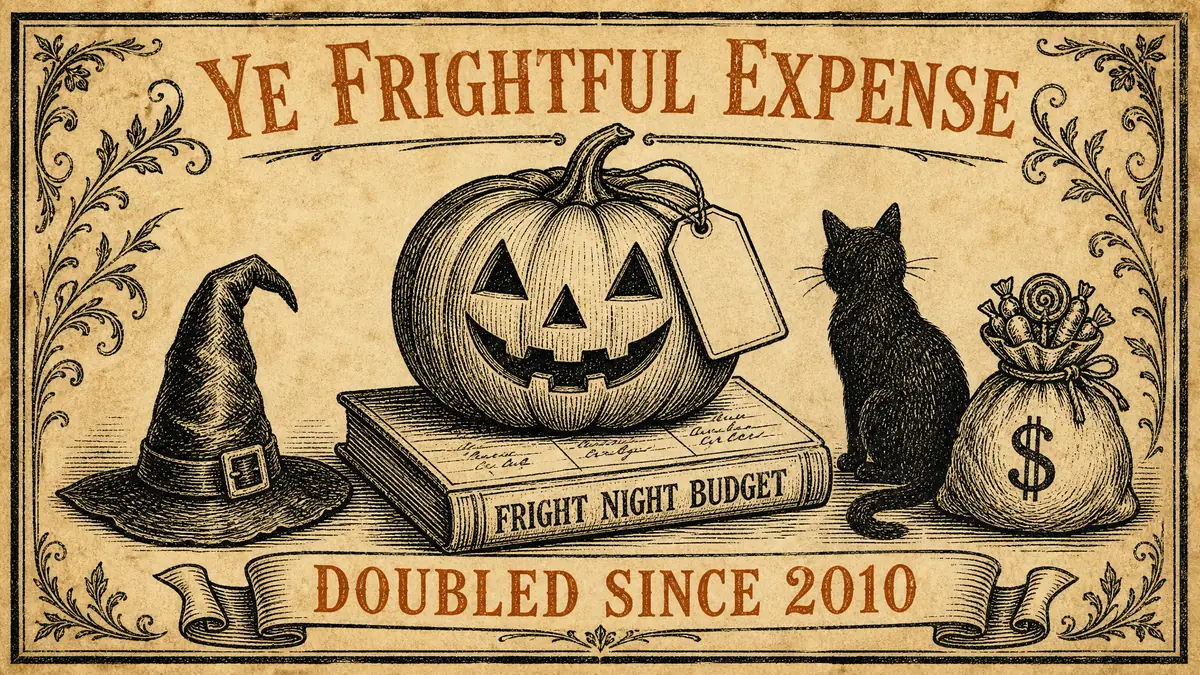
The NRF expects Americans to spend $13.5 billion on Halloween in 2026, with average spending of $115.14 per person. Back in 2010, NBC News reported NRF’s survey at $5.8 billion total and $66.28 per person. So yes, the headline is doing math, not just wearing a cape.
The forbidden part: you can still have a loud, candy-sticky, porch-light-on Halloween without funding the entire seasonal retail complex.
The 2026 Halloween Price Tag, Minus the Panic
The NRF publishes national category totals, not per-household category averages. It also does not publish a separate 2026 party-spending bucket, which is annoying but better than inventing one with a tiny witch calculator.
| Category | Projected 2026 spend | % of total |
|---|---|---|
| Costumes | $4.4B | 32% |
| Decorations | $4.3B | 32% |
| Candy | $4.1B | 30% |
| Greeting cards | $0.8B | 6% |
| Parties | Not separately reported | N/A |
Percentages are rounded from NRF’s published category totals. The category totals are themselves rounded, because apparently even Halloween data gets to wear a mask.
9 Ways to Have Halloween Anyway
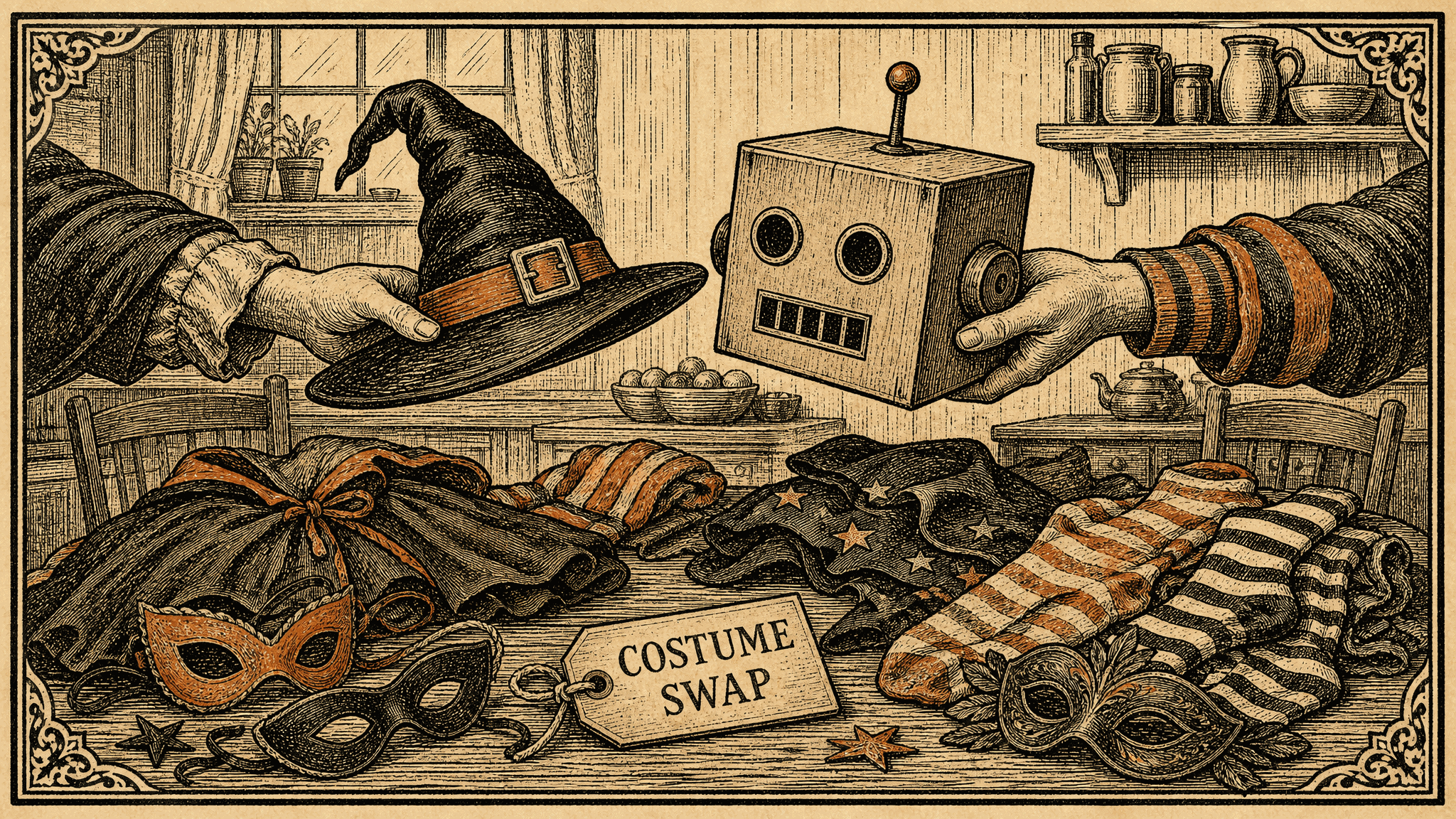
1. Throw a Costume-Swap Party
Invite 10 friends. Everyone brings one costume, one weird accessory, or one usable kid costume that still has structural integrity. Put everything on a rack, draw numbers, and let people pick.
Next year, rotate again. Suddenly your pirate becomes someone else’s vampire-pirate-accountant. This is fashion circularity, but with more fake blood capsules you should absolutely not open indoors.
Keep one rule: no guilt if someone keeps a favorite. The point is options, not a courtroom drama over a polyester cape.
2. Buy One Good Decoration Per Year
Not 19 pieces. One.
Pick something durable enough to survive storage, wind, and the child who believes every object is a drum. Then build a five-year rotation: porch lantern this year, reusable window silhouettes next year, one good wreath after that.
By year five, you have a real setup. You also skipped the forbidden act of buying the inflatable lawn skeleton because it was taller than your emergency fund.
If this sounds suspiciously like a tiny seasonal sinking fund, yes. That is the whole trick. Sinking Funds Explained: The One Habit That Makes ‘Surprise’ Expenses Disappear is basically Halloween decor’s responsible older cousin.
3. Make the Party a Potluck, Not a Hostage Situation
A Halloween party does not need a grazing table with architectural ambition.
Try this: the host provides one big thing, chili, baked potatoes, or a giant pot of soup. Guests bring the rest by category: salty, sweet, drinks, kid snack, adult snack, paper goods.
Use a shared note so you do not end up with seven bags of chips and one brave apple. Although, honestly, the apple tried.
4. Time the Candy Buy Without Getting Weird About Candy
Candy is fun. Candy is not a character flaw. Please enjoy the tiny chocolate bar that somehow becomes four tiny chocolate bars while you are putting groceries away.
The BLS found U.S. households spent an average of $164 on candy and chewing gum in 2023, up sharply from 2013. So candy was already in the budget wearing a little cape.
Buy enough current-year candy close to Halloween so you know what you are handing out. Then on Nov. 1, look for sealed, far-dated, non-melty candy for next year. The USDA FoodKeeper exists for checking storage guidance, which is less festive than a pumpkin bucket but more useful.
5. Try the $50 Family Halloween Challenge
This works best if you make it a game, not a punishment. Put $50 on the table and let the family design the night.
Sample budget:
- $18 candy
- $10 thrifted or swapped costume extras
- $8 pumpkin or carving supplies
- $7 potluck contribution
- $5 glow sticks or sidewalk chalk
- $2 backup chocolate for the adult tax
The adult tax is real. It funds morale.
6. Pick One Thing That Actually Matters
Maybe your kid cares about the costume and could not care less about decorations. Maybe your household loves the porch setup and everyone wears the same black hoodie every year. Maybe the party is the whole point.
That is values-based budgeting in a fake cobweb wig. Spend where the fun actually lives. Cut the rest without issuing a press release. Values-Based Budgeting: Spend Money on What Actually Matters (Forbidden Concept, We Know) is the grown-up version of this move.
7. Borrow the Big Stuff
Before buying a fog machine, folding table, projector, punch bowl, extra chairs, yard sign, or costume prop, ask your local group chat.
Somebody owns it. Somebody is tired of storing it. Somebody will be thrilled that the plastic cauldron in their garage has found purpose again.
This is also how you avoid buying a party item that immediately becomes Basement Furniture: The Sequel.
8. Use a Tiny Halloween Line Item Next Year
If Halloween matters in your house, budget for it like it exists. Wild concept.
Put aside $10 a month from January through October and you have $100 without the late-October scramble. Put aside $5 and you have $50. That is not extreme frugality. That is calendar literacy.
This is where a simple budget beats a perfect budget you abandon by March. If your current system feels too fussy, Which Budgeting Method Is Right for You? can help you pick one that fits your actual life, not your imaginary spreadsheet personality.
9. Keep the Free Stuff Sacred
Neighborhood walks are free. Scary movies you already have access to are free. Pumpkin-seed roasting is nearly free and makes your kitchen smell like fall got a little ambitious.
The cheap stuff is often the point. Porch lights. Kids yelling across the sidewalk. Someone’s dad in a costume that is clearly just sunglasses and commitment.
Halloween isn’t a corporate holiday. Don’t let it cost like one.

 Forbidden Finance