 Forbidden Finance
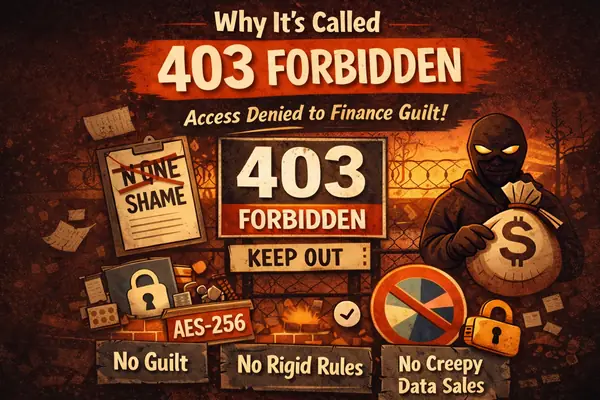
Why It’s Called 403 Finance: The Meaning Behind Forbidden Finance
403 Finance comes from 403 Forbidden. The name reflects exactly what we wanted this app to reject: budgeting shame, rigid money rules, and creepy data-selling nonsense.

Tag
Posts tagged “Personal Finance”.
403 Finance comes from 403 Forbidden. The name reflects exactly what we wanted this app to reject: budgeting shame, rigid money rules, and creepy data-selling nonsense.

Most budgeting apps make money feel like detention. We built Forbidden Finance to make personal finance more flexible, more private, and a lot less miserable.
Everything else, freshest first.

October money checklist: prep open enrollment, check FSA balances, top up holiday cash, book the CPA, plan giving, and set holiday budgets early.

Retirement bucket strategy for the decade before retirement: split cash, bonds, and stocks to reduce sequence risk and make withdrawals calmer across accounts.

Multigenerational household finance shows how shared housing, caregiving, and documented family loans can lower costs without rigid rules.

Track spending multiple accounts without portal roulette, double-counted transfers, or pending-charge chaos, so one screen tells the truth again.

Year end tax planning starts in September: harvest losses, model Roth conversions, bunch deductions, plan RMDs, and true up payments before December panic.

Calculate annual spending across every account, normalize one-offs, and find the real number your budget has been dodging before it eats your savings.
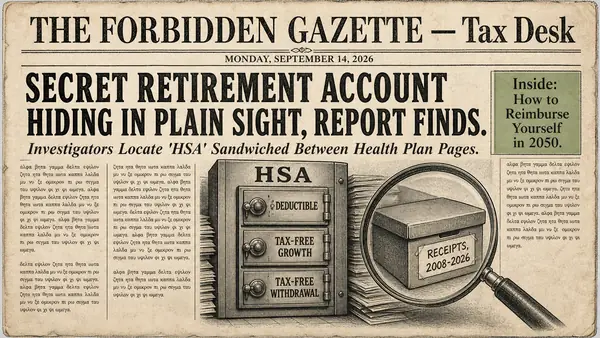
HSA guide to 2026 limits, triple tax benefits, receipt hoarding, investing rules, and when this misunderstood account can beat a Roth IRA for retirement.

Estate paperwork most families skip, from wills to beneficiary forms, with clear costs and where to start before loved ones are left guessing.
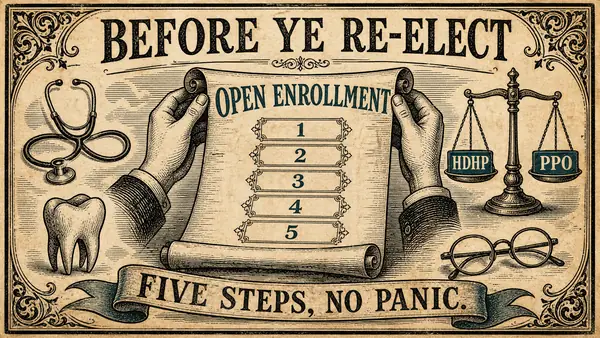
Open enrollment prep gets easier with a five-step worksheet to compare health plans, FSA/HSA choices, and voluntary benefits before renewal.
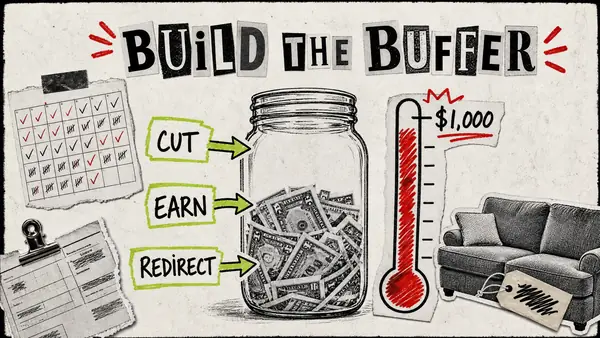
Build a $1,000 emergency fund in 90 days with 15 realistic cut, earn, and redirect moves, weekly math for tight budgets, and a gentler $500 fallback.

A fall financial reset plan: clean up accounts, refill savings, pre-game taxes, and lock holiday spending before Q4 turns January into catch-up.
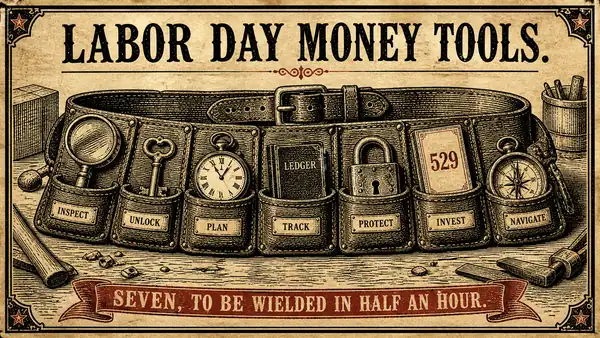
Labor Day weekend money moves you can finish in 30 minutes, from HSA and IRA checks to credit freezes, FSA balances, and October sinking funds.
Dual-currency living tips for expats and cross-border workers: cut transfer friction, plan FX moves, track taxes, and budget cleanly across currencies.
Negotiate bills with scripts for cable, phone, insurance, gyms, and service contracts, plus a calm escalation plan to save money in under an hour.

Frugality habits that actually save money, from bill negotiation to housing math, plus the performative cuts that waste time and miss the real leaks.

Your FICO score is mostly built from boring, movable levers. Here's how to improve payment history, utilization, credit age, mix, new credit, and inquiries without turning your score into your identity.

401k fees explained: read your 401(k) statement, spot expense ratios and hidden admin fees, compare funds, and keep more of your retirement growth.

Stop impulse buying with three pause frameworks: the 24-hour rule, the 30-day list, and the $100 test. When each works, and how people sabotage them.

College move in costs pile up before classes start. Plan dorm setup, books, food gaps, insurance, banking, and a first-semester cash buffer.
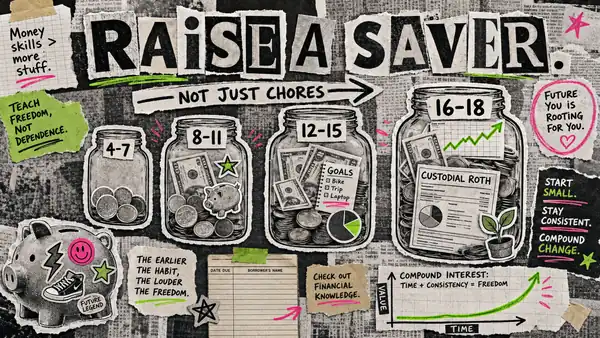
Teaching kids about money works best by age band: jars, choices, debit cards, investing basics, Roth IRAs, and credit without the chore war.

Your back-to-school budget in three weeks: what it really costs, how to split must-buys from extras, tax-free weekends by state, and a 2027 sinking fund.

How to start investing once your budget works: account order, simple funds, rebalancing, and a first $10K plan that builds wealth without stock-picking drama.
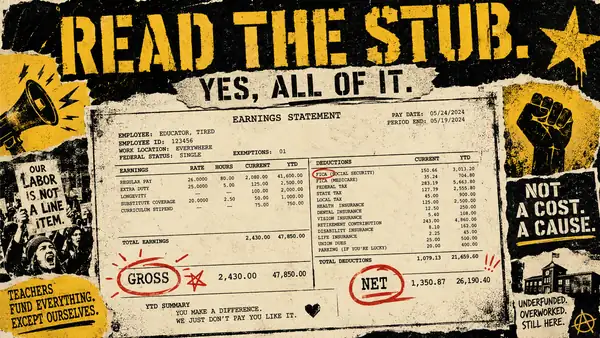
Your pay stub is not a mystery novel. It is a receipt for your labor, and one careful read can show where your money is actually going.
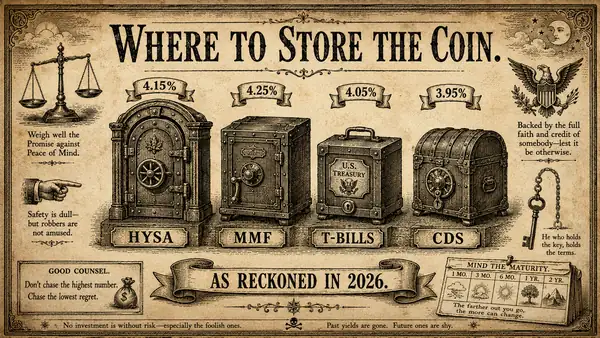
Your cash deserves better than a sad big-bank savings rate. Here is how to match HYSA, money market, T-bills, and CDs to the job.

One July 4 weekend does not get to declare bankruptcy on your whole budget. Open the statement, sort the damage, and keep July moving.

Fireworks are fine. These 14 habits are how you buy back breathing room, one boring automatic transfer at a time.
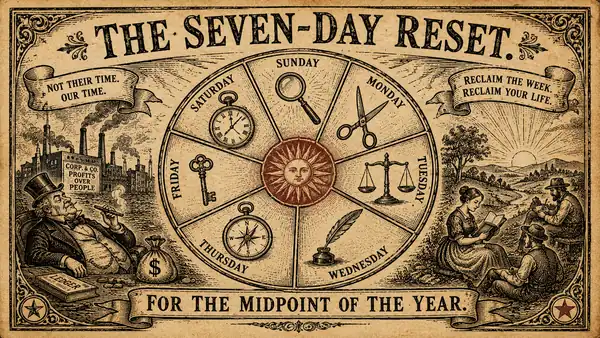
Seven days. Thirty minutes each. A midyear money reset for people who like their finances honest, useful, and only mildly annoying.

Six months is enough time for your FIRE math to get weird. Update the number before the number starts lying to you.

Summer gig cash has a talent for vanishing. Give it its own account, tax bucket, and categories before it joins the general checking-account swamp.

Lifestyle creep does not kick down the door. It slips in wearing premium coffee, a bigger lease, and one more kid activity with a monthly fee.
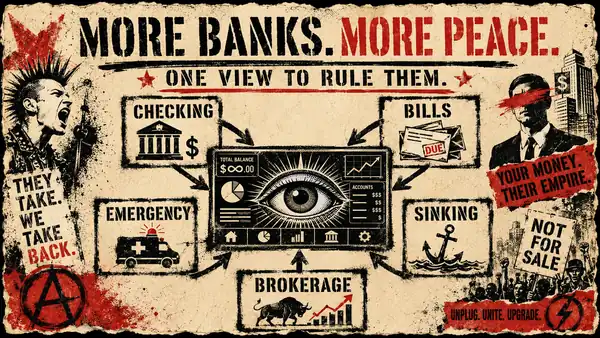
One account for everything sounds simple until rent money and taco money start wearing the same hat. Build a money system with actual rooms.

Juneteenth is not a branding moment. It is a reminder that systems shape wealth, and that the tools available now are still worth using with care.
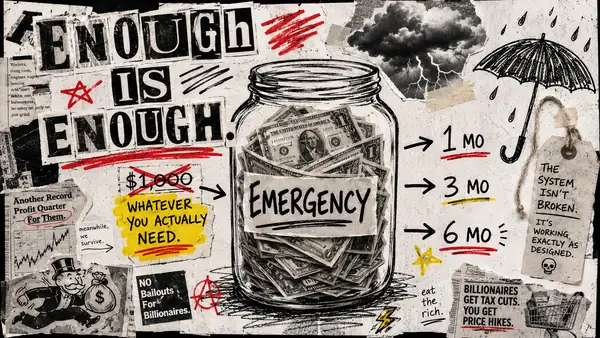
The 3-6 month rule is useful, but incomplete. Your real emergency fund target depends on income stability, housing risk, and how many “surprises” are actually just bills wearing fake mustaches.

The subscription economy does not need to rob you dramatically. It just needs a few forgotten $12 charges and your unwillingness to inspect the drawer.

Another tie says, "I panicked at 4 p.m." This one helps Dad find old accounts, clean up beneficiaries, and make his money less weird.

Before you merge accounts, merge the truth. Here are the five money conversations couples need first, with scripts that do not require spreadsheet cosplay.
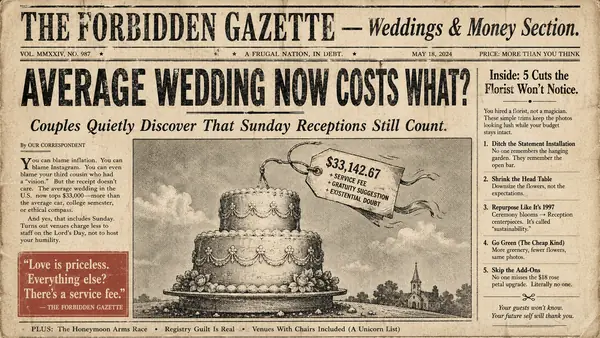
A $36,000 wedding is not a moral failure. The quiet problem is drift: the $500 here, $900 there, and suddenly the cake has a finance department.

Your vacation doesn't need a payment plan with palm trees printed on it. Price the trip, fund it in 90 days, then spend the money you already gave permission to leave.

Your March budget did not collapse because you are bad with money. It collapsed because the plan was too clean for real life.

The gift-card-industrial-complex had a good run. Here are five graduation gifts that help a new adult start stronger, with less plastic-card vanishing act.

Say yes to the cookout, the beach, and the road trip. Just give the weekend a budget before it starts ordering convenience-store snacks like a tiny dictator.
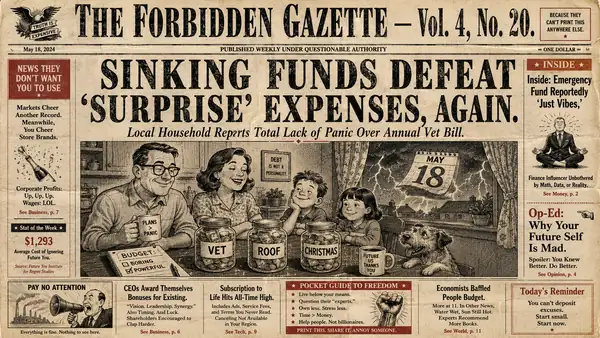
Sinking funds make 'surprise' expenses disappear. Here's what they are, how they differ from emergency funds, 25 categories worth naming, and a copy-this starter list.
Month nine is where debt payoff stops feeling heroic and starts feeling beige. Here is how to keep going without turning your life into a punishment schedule.

Wedding season is a budget ambush in formalwear. Here is how to show up, bow out, or downshift without going broke or becoming the villain of brunch.

Your real net worth is assets minus liabilities, but most people forget half the balance sheet. Here's what to count, what to ignore, and what the number actually means.
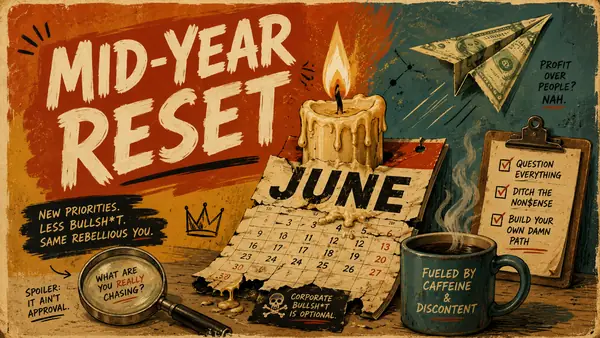
January goals are cute. May is where the receipts start talking. Run this 10-step mid-year money reset before June so your 2026 plan actually fits your life.

Your salary tells you what came in. Your net worth tells you what survived. Here’s why tracking wealth matters more than obsessing over income.
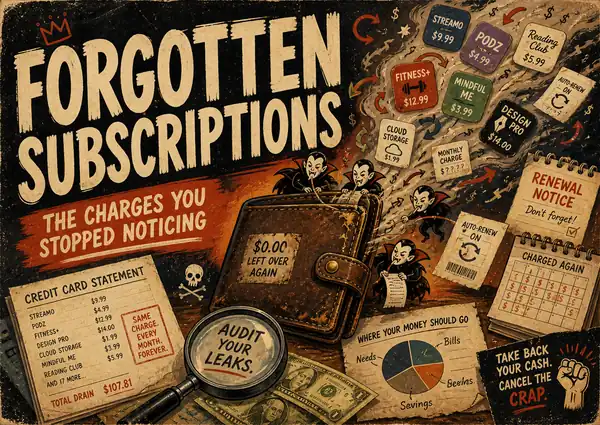
Forgotten subscriptions are the budget vampires of modern life. Here’s how recurring transaction detection helps find auto-renewing charges before they quietly bleed your card dry.
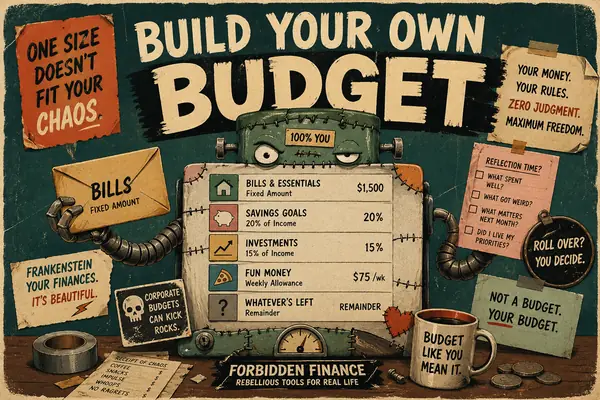
Custom budgeting is for people who do not fit neatly into one method. Build your own budget with flexible groups, allocation types, rollover rules, and optional reflections.

Values-based budgeting helps you spend money on what actually matters instead of letting guilt and random habits run the show. Forbidden Finance adds an Alignment Score so you can see whether your spending matches your stated values.
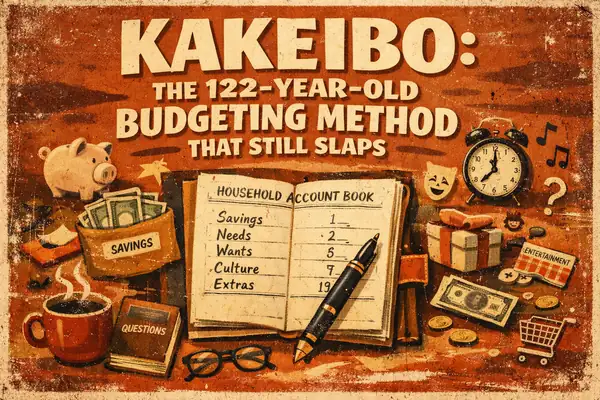
Kakeibo is the Japanese budgeting method that pairs simple money tracking with real reflection. Here’s how it works and how Forbidden Finance brings it into the modern world.
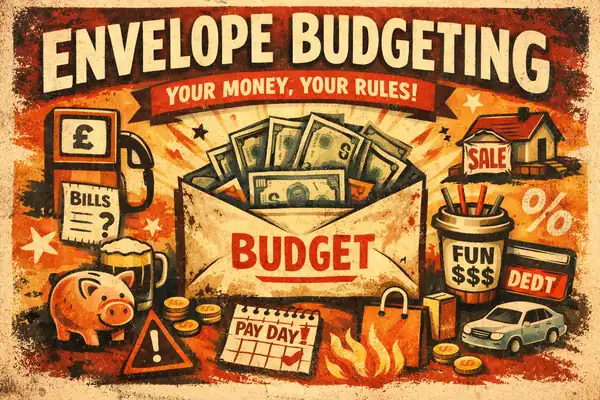
Envelope budgeting is the old-school money method that still works: set category limits, stop when they’re empty, and let your budget stop lying to you. Here’s how to do it without carrying a stack of cash.
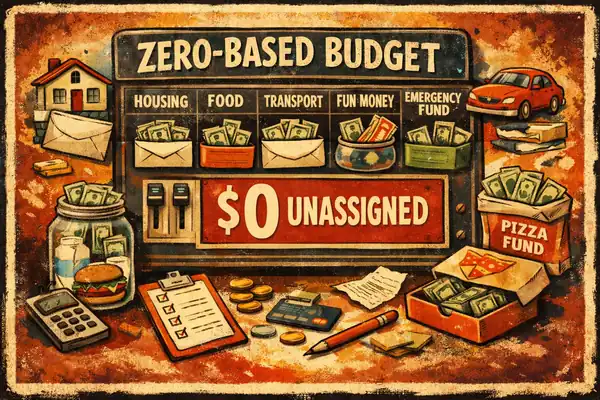
Zero-based budgeting gives every dollar a job before it disappears into bills, groceries, and “just one little treat.” Here’s how it works and how to set it up in Forbidden Finance.

Pay Yourself First flips budgeting on its head: save first, spend the rest, and stop tracking every latte like it’s a tax audit. Here’s why the Anti-Budget works and where it doesn’t.

The 50/30/20 rule is the simplest budget that still starts fights online. Here’s how it works, why it breaks, and how to make it fit your life.
Not all budgeting methods are created equal, and some are objectively more annoying than others. Here’s how 8 popular budgeting systems actually work — and which one might fit your life.
Start free. No credit card, no ads, and no selling your data to make up the difference.