 Forbidden Finance
Why It’s Called 403 Finance: The Meaning Behind Forbidden Finance
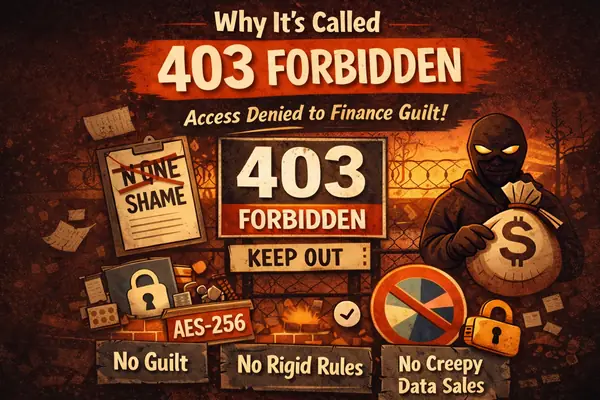
403 Finance comes from 403 Forbidden. The name reflects exactly what we wanted this app to reject: budgeting shame, rigid money rules, and creepy data-selling nonsense.

Tag
Posts tagged “Forbidden Finance”.
403 Finance comes from 403 Forbidden. The name reflects exactly what we wanted this app to reject: budgeting shame, rigid money rules, and creepy data-selling nonsense.
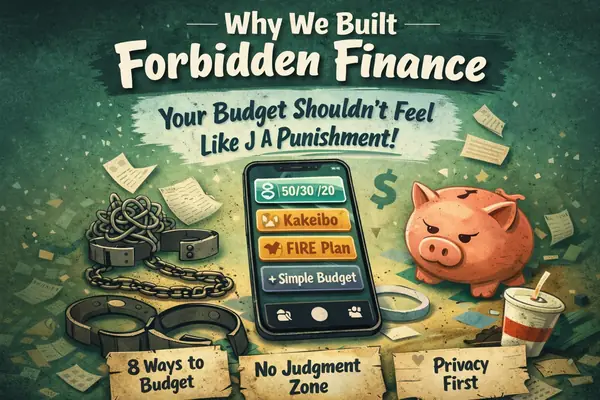
Most budgeting apps make money feel like detention. We built Forbidden Finance to make personal finance more flexible, more private, and a lot less miserable.
Everything else, freshest first.

Retirement bucket strategy for the decade before retirement: split cash, bonds, and stocks to reduce sequence risk and make withdrawals calmer across accounts.
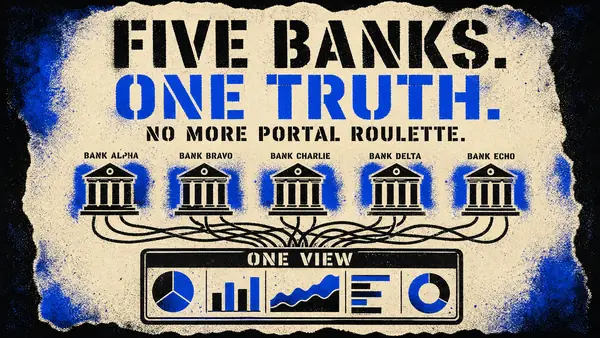
Track spending multiple accounts without portal roulette, double-counted transfers, or pending-charge chaos, so one screen tells the truth again.

Back-to-school budget recovery for parents: reconcile the August overshoot, choose the right sinking funds, and restart next year's plan calmly.

Budgeting app security, compared plainly: what YNAB, Monarch, and Forbidden Finance publish, and what a copied database can reveal about your money.
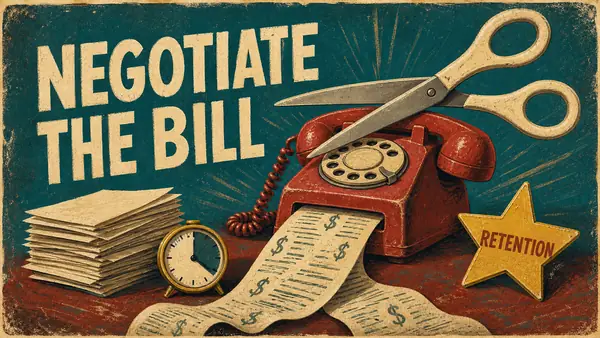
Negotiate bills with scripts for cable, phone, insurance, gyms, and service contracts, plus a calm escalation plan to save money in under an hour.

Frugality habits that actually save money, from bill negotiation to housing math, plus the performative cuts that waste time and miss the real leaks.
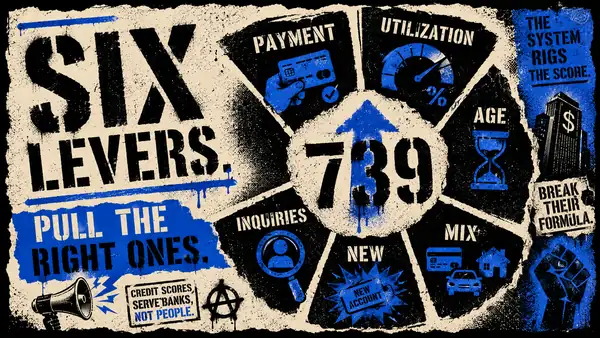
Your FICO score is mostly built from boring, movable levers. Here's how to improve payment history, utilization, credit age, mix, new credit, and inquiries without turning your score into your identity.
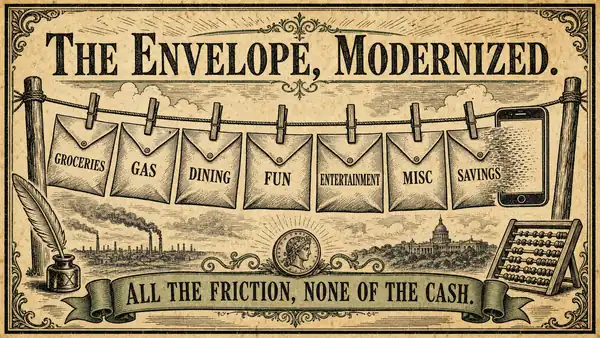
Digital envelope budget basics for cash-stuffing fans: use sub-accounts, category caps, and rolling balances to spend with cleaner modern limits.
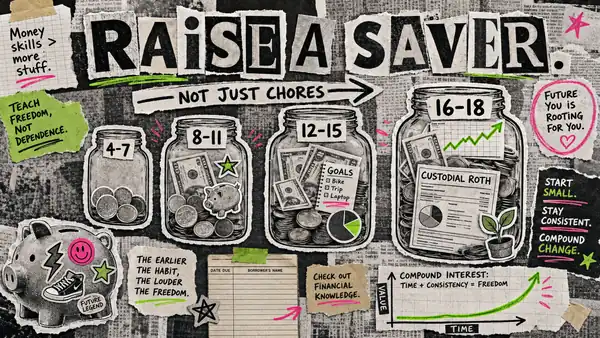
Teaching kids about money works best by age band: jars, choices, debit cards, investing basics, Roth IRAs, and credit without the chore war.
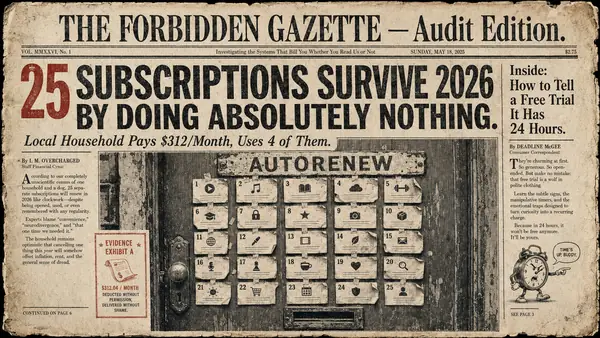
Subscriptions to cancel this summer: audit 25 recurring charges households forget, from streaming tiers to gym fees, and reclaim wasted cash.

Post vacation budget reset for summer travel: a warm 3-day plan to log trip charges, fix categories, restart sinking funds, and move on without panic.

How to start investing once your budget works: account order, simple funds, rebalancing, and a first $10K plan that builds wealth without stock-picking drama.

The convenience tax is real, but it is not always bad. Audit the charges that buy back your hours, then fire the ones just buying back your friction.

You do not need a coupon shrine to cut your grocery bill. You need a few boring systems that quietly stop money from leaking into the produce drawer.
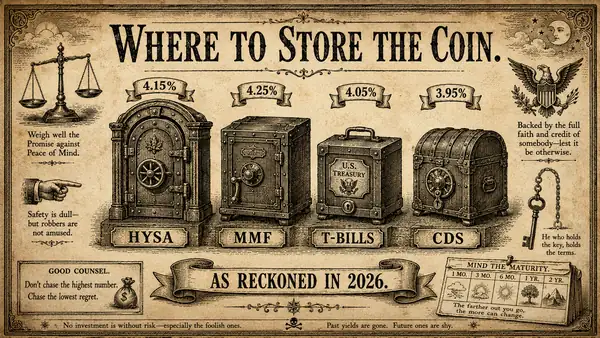
Your cash deserves better than a sad big-bank savings rate. Here is how to match HYSA, money market, T-bills, and CDs to the job.

Money talks do not need a gavel, a spreadsheet tantrum, or a December blowup. Try this 30-minute weekly ritual instead.
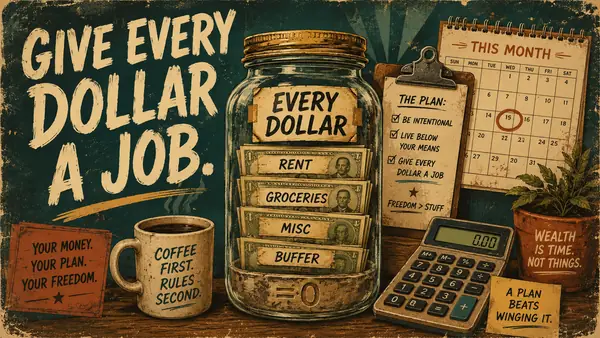
Zero-based budgeting does not need to feel like a weekly interrogation. Give every dollar a job, including the forbidden job of sitting there as a buffer.

One July 4 weekend does not get to declare bankruptcy on your whole budget. Open the statement, sort the damage, and keep July moving.

Seven days. Thirty minutes each. A midyear money reset for people who like their finances honest, useful, and only mildly annoying.
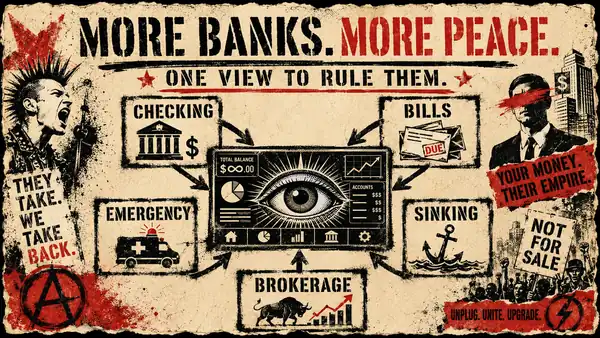
One account for everything sounds simple until rent money and taco money start wearing the same hat. Build a money system with actual rooms.

The reverse budget is for people who hate category tracking but still want their savings handled. Pay yourself first, then spend the rest without a latte tribunal.

The subscription economy does not need to rob you dramatically. It just needs a few forgotten $12 charges and your unwillingness to inspect the drawer.

The usual retirement benchmarks make people feel terrible. Here is the less-annoying version: what counts, what does not, and how to move the next dollar.

The 50/30/20 rule is useful until your rent, income, or savings goals refuse to behave. That is not failure. That is your cue to graduate.
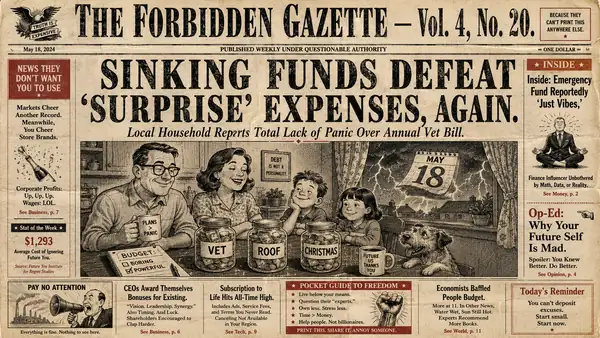
Sinking funds make 'surprise' expenses disappear. Here's what they are, how they differ from emergency funds, 25 categories worth naming, and a copy-this starter list.
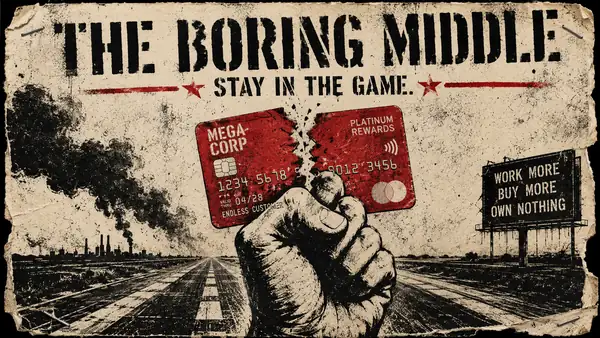
Month nine is where debt payoff stops feeling heroic and starts feeling beige. Here is how to keep going without turning your life into a punishment schedule.

Budgeting with a partner does not have to feel like a courtroom drama with receipts. Here is how couples can talk about money, split shared expenses, and protect privacy without starting a financial cold war.

Your salary tells you what came in. Your net worth tells you what survived. Here’s why tracking wealth matters more than obsessing over income.
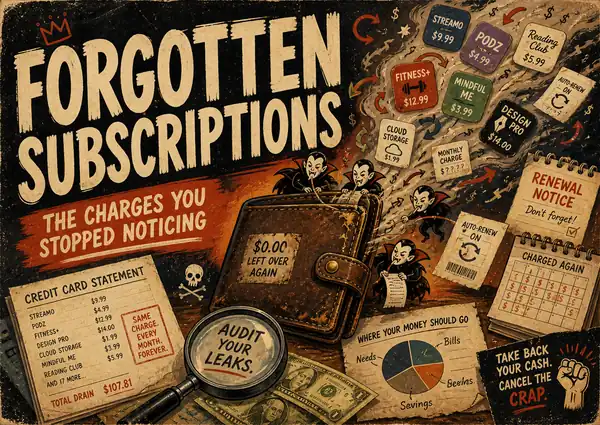
Forgotten subscriptions are the budget vampires of modern life. Here’s how recurring transaction detection helps find auto-renewing charges before they quietly bleed your card dry.
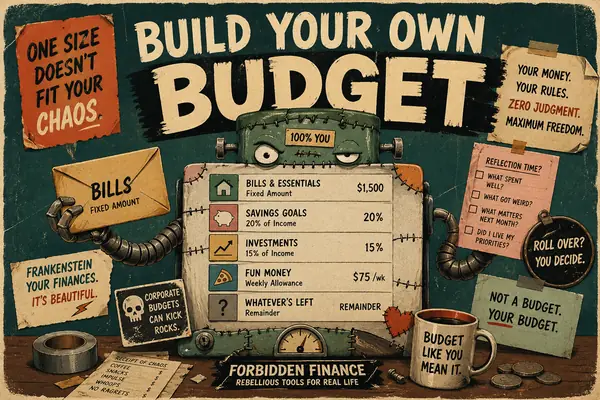
Custom budgeting is for people who do not fit neatly into one method. Build your own budget with flexible groups, allocation types, rollover rules, and optional reflections.

Values-based budgeting helps you spend money on what actually matters instead of letting guilt and random habits run the show. Forbidden Finance adds an Alignment Score so you can see whether your spending matches your stated values.

FIRE budgeting helps you turn spending, saving, and investing into a clear path toward financial independence. Here’s how the math works — without spreadsheet gymnastics.
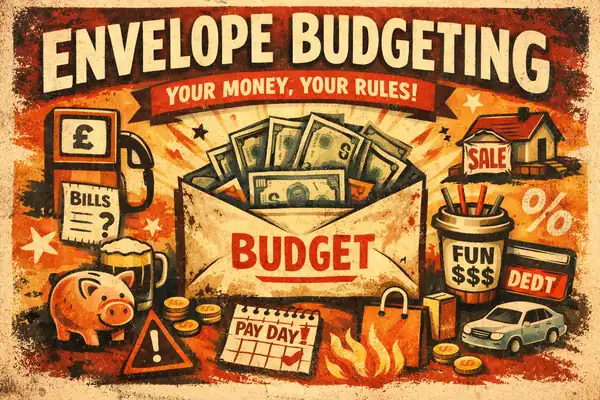
Envelope budgeting is the old-school money method that still works: set category limits, stop when they’re empty, and let your budget stop lying to you. Here’s how to do it without carrying a stack of cash.
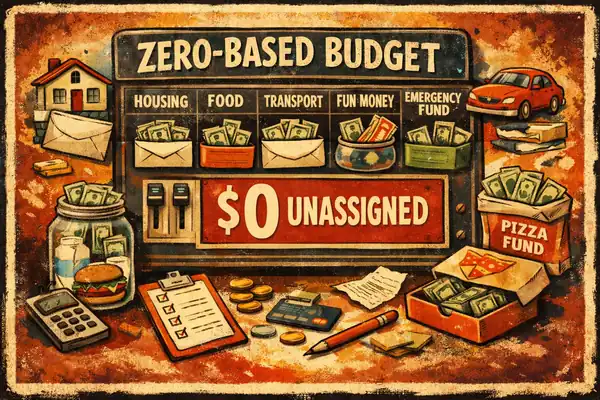
Zero-based budgeting gives every dollar a job before it disappears into bills, groceries, and “just one little treat.” Here’s how it works and how to set it up in Forbidden Finance.

Pay Yourself First flips budgeting on its head: save first, spend the rest, and stop tracking every latte like it’s a tax audit. Here’s why the Anti-Budget works and where it doesn’t.
Start free. No credit card, no ads, and no selling your data to make up the difference.