 Forbidden Finance
Should You Save or Pay Off Debt? A Decision Framework, Not a Slogan
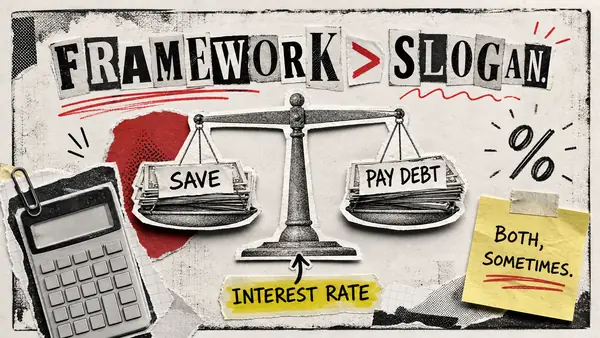
Save or pay off debt? Follow an order that covers your employer match, cash cushion, bad debt, emergency savings, investing, and mortgage tradeoffs.

Tag
Posts tagged “Emergency Fund”.
Save or pay off debt? Follow an order that covers your employer match, cash cushion, bad debt, emergency savings, investing, and mortgage tradeoffs.
A cash cushion keeps one month of expenses in checking. Build yours in 60–90 days to handle bill pileups, paycheck gaps, and grocery-store mental math.
Recession playbook for calm times: 12 practical money moves to build cash, reduce fragile debt, protect income, and stress-test your household.
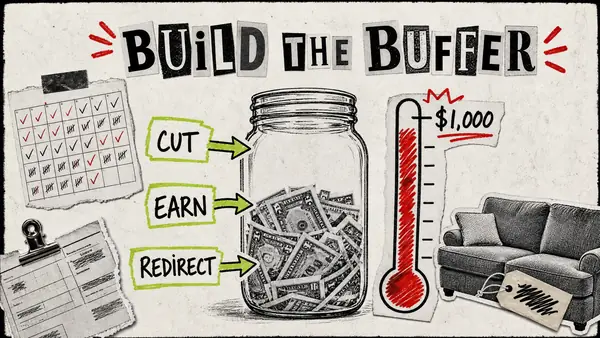
Build a $1,000 emergency fund in 90 days with 15 realistic cut, earn, and redirect moves, weekly math for tight budgets, and a gentler $500 fallback.
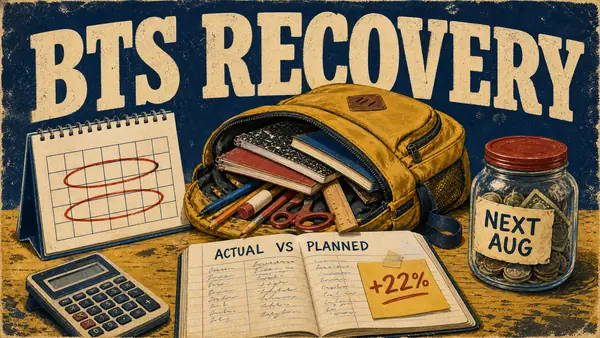
Back-to-school budget recovery for parents: reconcile the August overshoot, choose the right sinking funds, and restart next year's plan calmly.
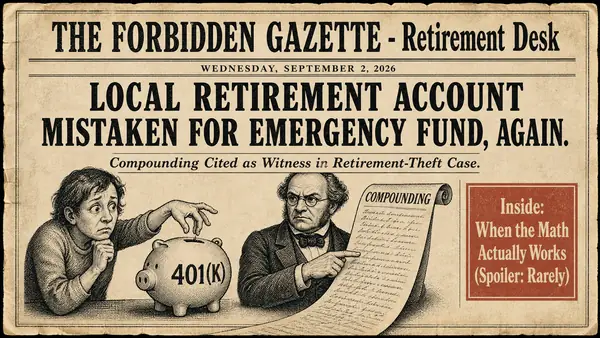
401(k) loans and hardship withdrawals look easy. Learn the 2026 IRS rules, compounding cost, and rare exceptions before tapping retirement savings.
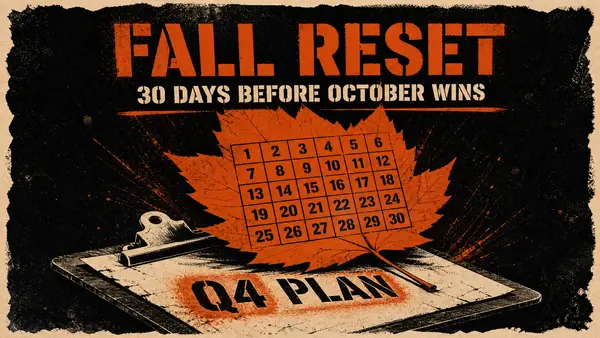
A fall financial reset plan: clean up accounts, refill savings, pre-game taxes, and lock holiday spending before Q4 turns January into catch-up.
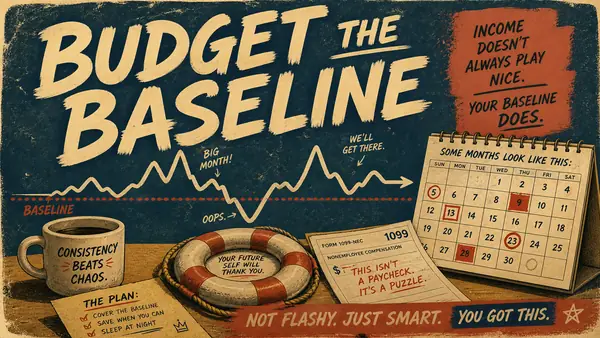
Budget irregular income with a lowest-month baseline, percentage-based deposit splits, tax buckets, and priority tiers that hold up when the slow months land.
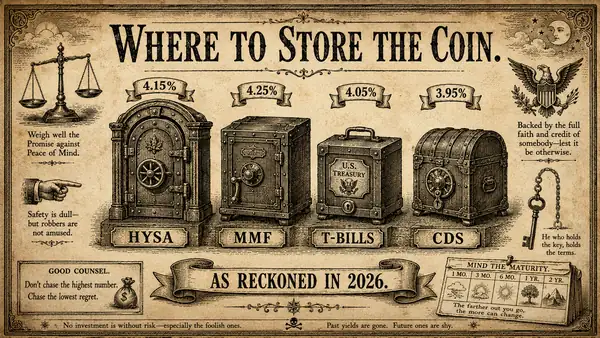
Your cash deserves better than a sad big-bank savings rate. Here is how to match HYSA, money market, T-bills, and CDs to the job.
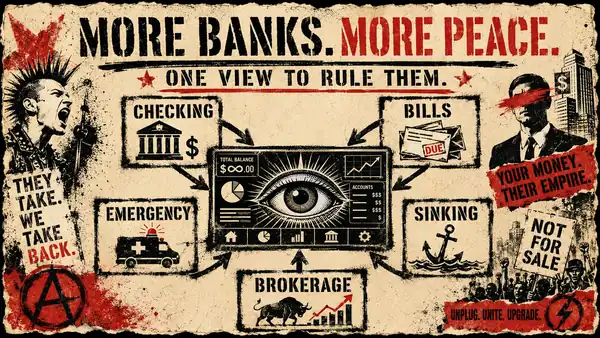
One account for everything sounds simple until rent money and taco money start wearing the same hat. Build a money system with actual rooms.
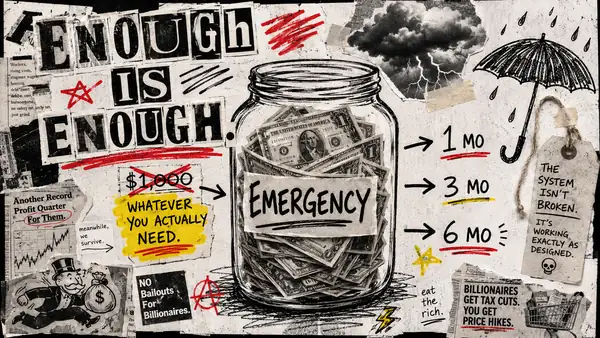
The 3-6 month rule is useful, but incomplete. Your real emergency fund target depends on income stability, housing risk, and how many “surprises” are actually just bills wearing fake mustaches.
Start free. No credit card, no ads, and no selling your data to make up the difference.
Start Free Today